 Pin it
 The first time I made this pasta primavera was on a rainy Tuesday when I needed something to brighten up the kitchen. I had a CSA box overflowing with vegetables and no real plan, so I started chopping everything into colorful piles. Something about all those vibrant colors cooking together made the whole house feel cheerier. Now whenever spring vegetables start appearing at the market, this is the first dish that comes to mind.
Last spring I made this for my sister who claimed she hated vegetables. She watched me pile all those colorful ingredients into the pan, looking skeptical the whole time. When she took her first bite and immediately went back for seconds, I knew this recipe was a keeper. Something about the way the lemon zest brightens everything makes vegetables taste completely new.
Ingredients
- Bow-tie pasta (340 g): The little bow shape catches all the sauce and vegetable pieces in every bite. Farfalle holds up beautifully to tossing without breaking apart.
- Cherry tomatoes (1 cup, halved): These burst slightly in the heat creating little pockets of sweetness. I learned not to add them too early or they completely disappear into the sauce.
- Asparagus (1 cup, cut into pieces): Cut into 1-inch pieces so they cook evenly with the other vegetables. The tips get nicely charred while the stalks stay tender-crisp.
- Red bell pepper (1 cup, sliced): Adds incredible sweetness and that gorgeous red color to the rainbow mix. Thin slices cook faster than chunks so everything finishes together.
- Yellow squash (1 cup, half-moons): The mild flavor lets other ingredients shine while contributing buttery texture. Half-moon slices look beautiful and hold their shape during cooking.
- Broccoli florets (1 cup): These add great texture and absorb the garlic oil beautifully. Cut them into similar sized pieces so they cook at the same rate.
- Carrots (1 cup, julienned): Julienned carrots cook quickly and add sweetness plus that bright orange pop. I use a vegetable peeler to make quick, even ribbons.
- Red onion (1/2 cup, thinly sliced): Adds just enough bite and another layer of color. Thin slices mellow out as they cook becoming almost sweet.
- Frozen peas (1/2 cup): These go in last just to heat through since they are already perfectly tender. They add pops of bright green sweetness throughout.
- Extra-virgin olive oil (3 tbsp): Use the good stuff here since it really carries the flavor. I add some at the beginning and finish with a drizzle for that luxurious mouthfeel.
- Garlic (3 cloves, minced): Freshly minced garlic makes such a difference compared to jarred. Let it sizzle just briefly to avoid any bitter burnt taste.
- Crushed red pepper flakes (1/2 tsp): Optional but adds such a nice gentle warmth that balances the vegetables sweetness. Start with less if you are sensitive to heat.
- Lemon zest and juice (1 lemon): The zest packs all the bright aromatic flavor while the juice adds acidity. Both are essential for that fresh spring taste.
- Fresh basil and parsley (2 tbsp each): Tear the basil by hand instead of chopping to keep it from bruising. The parsley adds freshness while basil contributes that sweet aromatic finish.
Tired of Takeout? 🥡
Get 10 meals you can make faster than delivery arrives. Seriously.
One email. No spam. Unsubscribe anytime.
Instructions
- Get your pasta water going first:
- Bring a large pot of generously salted water to a boil. The water should taste almost like the sea. Cook the bow-tie pasta until al dente, usually about a minute less than the package directions. Before draining, scoop out 1/2 cup of that starchy pasta water and save it for the sauce later.
- Start the aromatic base:
- While the pasta cooks, heat 2 tablespoons of olive oil in your largest skillet over medium heat. Add the minced garlic and red pepper flakes if you are using them. Let them sizzle for just one minute until fragrant. Watch closely so the garlic does not brown or it will taste bitter.
- Add the hard vegetables first:
- Toss in the carrots, broccoli, and asparagus pieces. These take the longest to become tender. Sauté them for about 3 to 4 minutes, stirring occasionally. You will notice them brighten in color and start to soften.
- Add the softer vegetables:
- Add the red onion, bell pepper, and yellow squash slices along with a pinch of salt. The salt helps draw out moisture and speeds up cooking. Sauté for another 3 to 4 minutes until all the vegetables are tender but still have some crunch. You want them vibrant, not mushy.
- Add the quick-cooking vegetables:
- Stir in the cherry tomatoes and frozen peas. These only need about 2 minutes to heat through. The tomatoes should just start to blister without completely collapsing. The peas will turn bright green again.
- Combine everything:
- Add the cooked pasta to the skillet along with the remaining tablespoon of olive oil. Pour in the lemon zest and lemon juice. Toss everything together gently, adding splashes of your reserved pasta water until the sauce coats each piece in a silky sheen.
- Season and finish:
- Taste and add more salt and black pepper as needed. Remove the skillet from heat. Sprinkle with Parmesan cheese if you are using it, then toss with the fresh basil and parsley. The heat will slightly wilt the herbs and release their aroma.
- Serve it up:
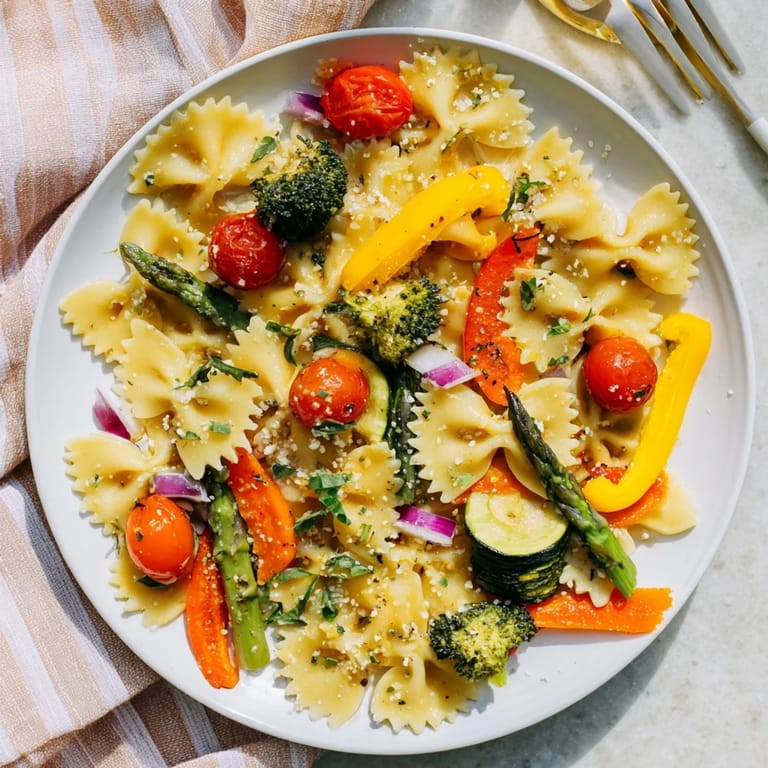
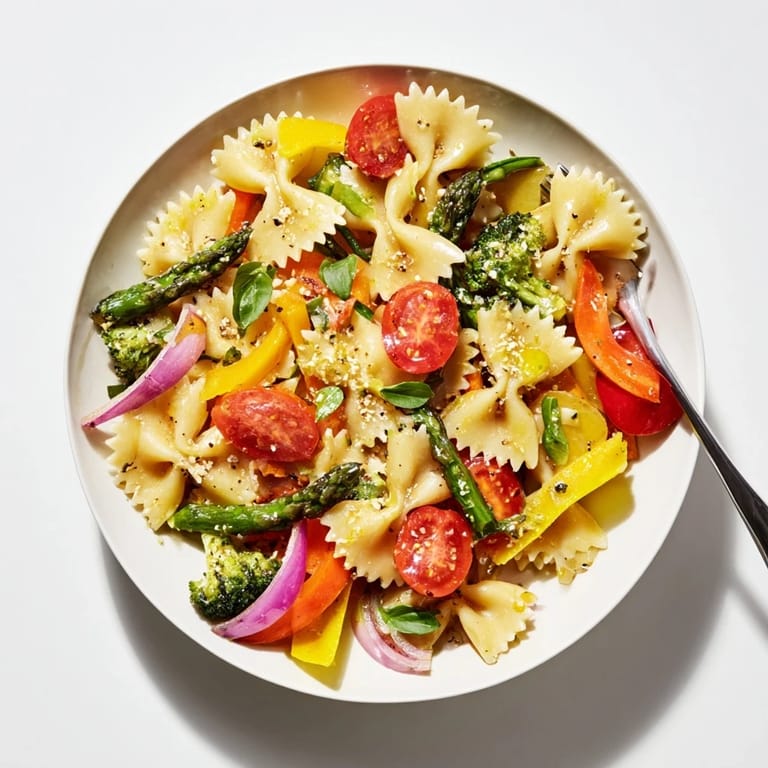
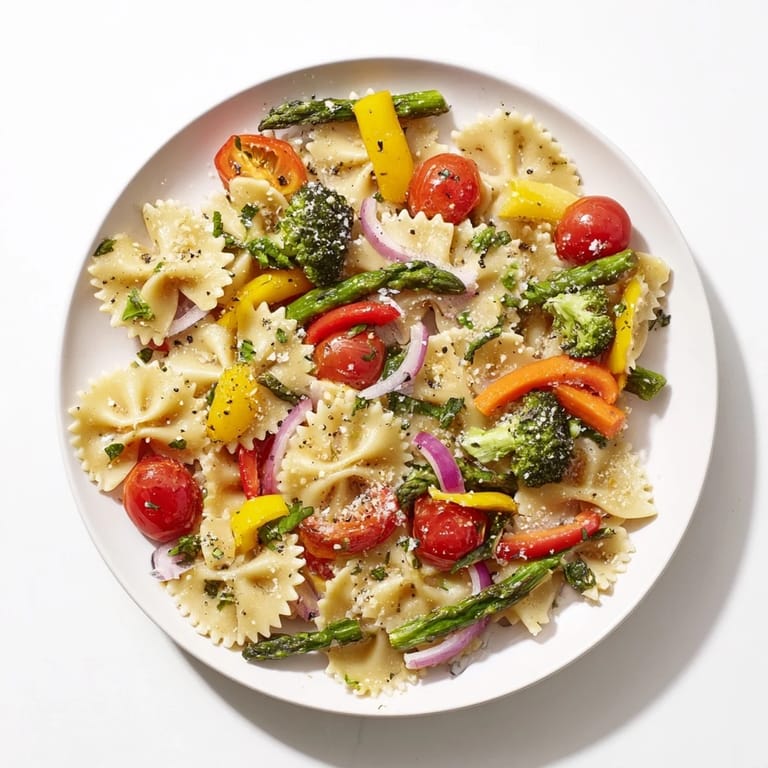
- Plate the pasta immediately while it is still steaming hot. I like to add an extra sprinkle of herbs and a little more Parmesan on top. The colors look absolutely gorgeous on a white plate.
 Pin it
 This recipe has become my go-to for bringing to friends who need a comforting meal. Something about all those colorful vegetables feels like edible sunshine. Last month I made a huge batch for a new neighbor who just had a baby, and she texted me two days later asking for the recipe.
Making It Your Own
The beauty of this dish is how adaptable it is to whatever vegetables look best at the market. I have swapped in zucchini, snap peas, and even corn when that is what I had on hand. The key is keeping the vegetables in similar sized pieces so they cook evenly.
Perfect Pairings
A crisp white wine like Sauvignon Blanc or Pinot Grigio cuts through the olive oil beautifully. For a complete meal, I like serving this with a simple green salad dressed with vinaigrette. The acidity balances the rich pasta perfectly.
Make Ahead Wisdom
You can chop all the vegetables up to a day in advance and store them in separate containers. The pasta is best cooked right before serving since it does not reheat as well once tossed with the sauce. However, leftovers still make an excellent cold pasta salad for lunch the next day.
- Double the recipe for meal prep because it keeps beautifully for 3 to 4 days
- If making ahead, undercook the pasta slightly since it will continue absorbing sauce
- Reheat gently with a splash of water to bring back the silky consistency
 Pin it
 This pasta primavera captures everything I love about spring cooking in one bowl. Hope it brings as much color to your table as it has to mine.
Recipe Questions & Answers
- → Can I make this gluten-free?
Yes, simply substitute the bow-tie pasta with certified gluten-free pasta. All other ingredients are naturally gluten-free, making this dish easily adaptable for those with gluten sensitivities.
- → How do I store leftovers?
Store cooled pasta in an airtight container in the refrigerator for up to 3-4 days. Reheat gently in the microwave with a splash of water or olive oil to refresh the sauce. The vegetables may soften slightly upon reheating.
- → Can I add protein to this dish?
Absolutely. Grilled chicken breast, sautéed shrimp, or even crispy pancetta make excellent additions. Simply cook your protein separately and toss it in during step 6 when combining the pasta with vegetables.
- → What vegetables work best in primavera?
Spring vegetables shine here: asparagus, peas, snap peas, and zucchini are classics. Feel free to use whatever looks fresh at your market—green beans, corn, or diced summer squash all work beautifully in this versatile preparation.
- → Is this suitable for meal prep?
This dish meal preps well. Cook the pasta and vegetables fully, cool completely, then portion into containers. The flavors actually improve after a day in the fridge. Consider packing Parmesan separately to sprinkle just before eating.
- → Can I make it vegan?
Yes, simply omit the Parmesan cheese or use a plant-based alternative. The pasta and vegetables provide plenty of flavor on their own, especially with the garlic, lemon, and fresh herbs.