 Pin it
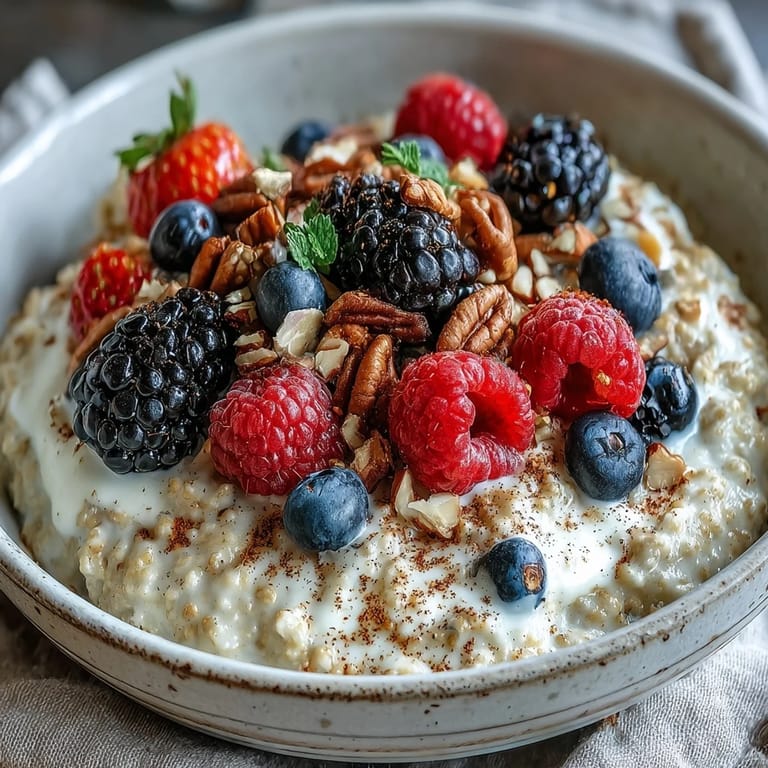
 My mornings shifted the day a neighbor handed me a small bag of millet from her garden, insisting I'd never looked at breakfast the same way twice if I tried it as porridge. Skeptical but curious, I simmered it with water and milk while the kitchen filled with this gentle, almost vanilla-like warmth. When the first spoonful hit my tongue, creamy and mild with just a whisper of cinnamon, I understood why she'd been so certain. Now, whenever I make this, it feels less like cooking and more like stepping into a slower rhythm before the day demands anything of me. Those berries scattered on top aren't just color, they're a small rebellion against the ordinary.
I made this for my dad during his recovery, when he'd lost interest in his usual hearty breakfast routine. He sat at the kitchen table while I stirred the pot, and when I set the bowl in front of him with berries arranged like they mattered, something small shifted in his expression. He ate the whole thing without complaint, then asked for more milk and honey on the side, which I took as a quiet victory. That bowl became our small ritual for weeks, a conversation without words about care and nourishment and mornings being worth the effort.
Ingredients
- Millet, rinsed: This grain has an almost nutty undertone that deepens as it cooks, and rinsing it removes any dust and makes it cook more evenly.
- Water: The foundation that transforms individual grains into something cohesive and warm.
- Milk (dairy or plant-based): This is where the magic happens, creating that signature creaminess that makes you want to linger over breakfast.
- Maple syrup or honey: Both work beautifully, though maple brings an earthy depth while honey stays lighter and lets the spices shine.
- Ground cinnamon: Don't use the pale stuff hiding in the back of your cupboard, fresh cinnamon transforms the entire bowl.
- Ground nutmeg: Just a whisper, because this spice is sneaky and can take over if you're heavy handed.
- Ground cardamom: The secret ingredient that makes people ask what that amazing flavor is, then look surprised when you tell them.
- Salt: A pinch that shouldn't be forgotten, as it anchors the sweetness and spice.
- Mixed fresh or frozen berries: Whatever looks good at the market, since ripe berries add tartness that balances the warm spices perfectly.
- Nuts and seeds (optional): These add texture and nutrition, turning a simple porridge into something that actually sustains you through a busy morning.
Tired of Takeout? 🥡
Get 10 meals you can make faster than delivery arrives. Seriously.
One email. No spam. Unsubscribe anytime.
Instructions
- Toast and rinse your millet:
- Swirl the millet under cool water until the water runs clear, which only takes a minute but genuinely improves how it cooks and tastes. Some people skip this, but your future self will appreciate the cleaner flavor.
- Bring grain and water to life:
- Combine millet, water, and salt in your saucepan over medium-high heat, letting it come to a rolling boil so you know the heat is doing its job. You'll notice the water getting slightly cloudy and the grains starting to dance.
- Simmer in silence:
- Lower the heat, cover, and let it sit for 15 minutes with only occasional stirring, which is when you can get your tea or check your phone guilt-free. The millet will start to soften and the kitchen will smell like home.
- Introduce the milk and warmth:
- Pour in the milk and add your cinnamon, nutmeg, and cardamom, stirring until the spices dissolve evenly throughout. Cover again and cook for another 10 minutes, watching as the porridge transforms into something creamy and luscious.
- Sweeten to your liking:
- Remove from heat and stir in your maple syrup or honey, tasting as you go since sweetness is deeply personal. Some mornings you'll want more, some mornings the berries will be sweet enough.
- Build your bowl:
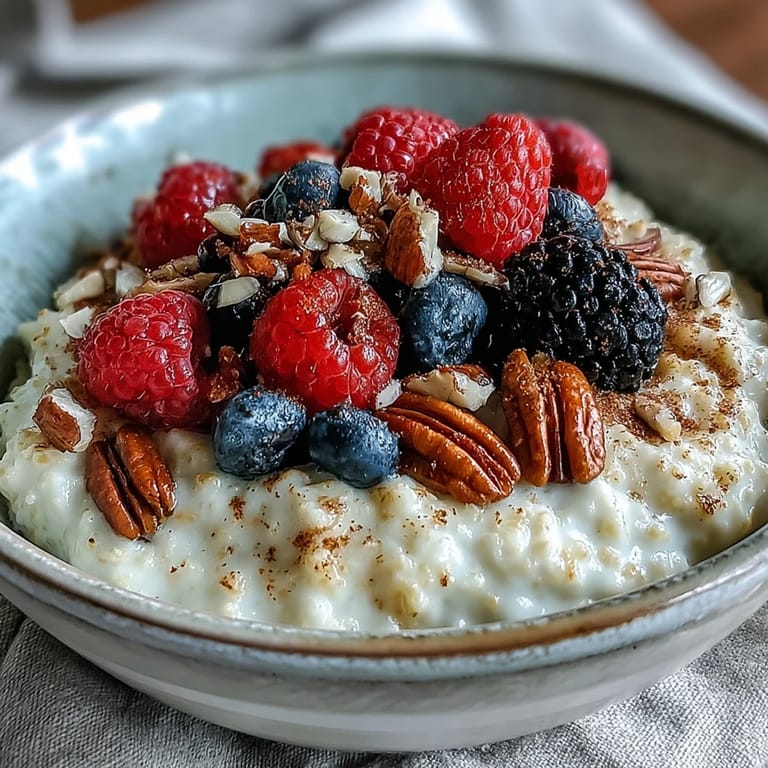
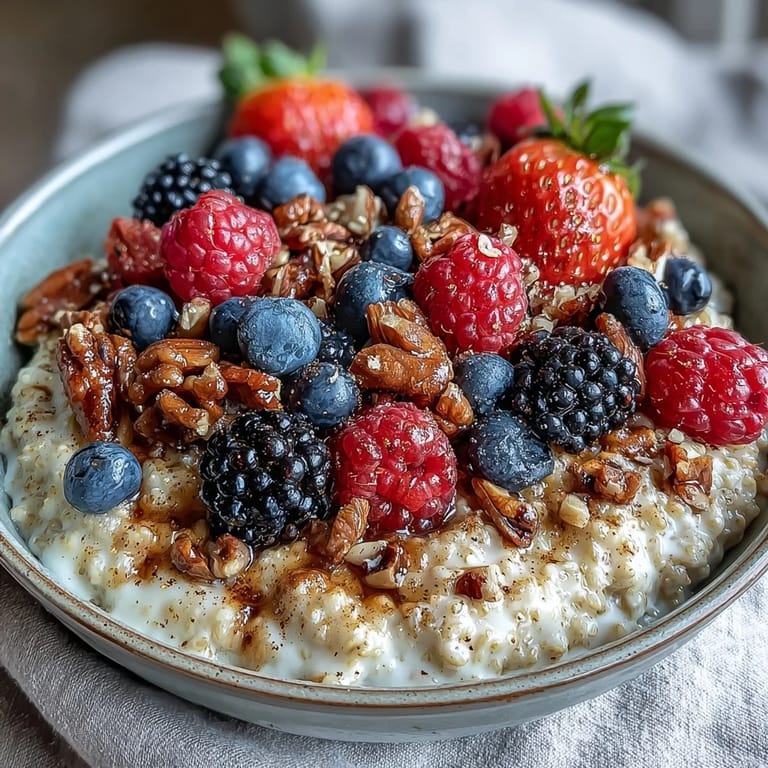
- Spoon the warm porridge into bowls and top with berries, nuts, and seeds, layering them so each spoonful brings a little contrast. The warm porridge slightly softens the berries while they stay firm enough to add textural interest.
 Pin it
 There's something about porridge that invites slowness, the kind of breakfast that doesn't rush you out the door but instead pulls up a chair and suggests you actually notice you're alive. My son, who usually attacks food like he's training for something, sat and savored this without distraction. That's when I knew it had crossed from recipe to ritual.
When Frozen Berries Save Your Breakfast
I used to think frozen berries were a compromise until a January morning when the farmer's market looked like a ghost town and I remembered the bag in my freezer. Those berries, when gently warmed in a small pan for just two minutes, released this deep purple juice that pooled beneath the porridge like something intentional and luxurious. Now I keep them stocked year-round, and honestly, they're often better than fresh because they're frozen at peak ripeness and cost about half as much. The key is warming them gently instead of microwaving, which transforms them into something that feels seasonal despite the snow outside.
Millet Beyond the Bowl
Once you start cooking with millet, you begin to understand why it's been feeding people for thousands of years across Africa and Asia, and why it's such a quiet superstar in our kitchens. It's lighter than oats, more interesting than rice, and somehow makes you feel nourished in a way that goes beyond calories. I've learned that millet works in savory applications too, but there's something about its natural sweetness that feels almost destined for breakfast applications. It's the kind of ingredient that shifts your perspective on what grains can do when you give them a chance.
The Art of Layering Flavors and Textures
The reason this porridge works so well is that every component has a reason for existing, from the cinnamon that reminds you of comfort to the cardamom that makes people lean in and ask what they're tasting. Building this bowl is like conducting a small orchestra where nothing overwhelms anything else, everything just enhances. The berries aren't just a topping, they're the punctuation mark that separates this from being another warm grain, and the nuts add that satisfying crunch that keeps your mouth interested. Don't skip layers or rush the assembly, because the difference between a bowl of porridge and a morning that feels intentional lives in those small choices.
- Taste as you sweeten because the berries and spices already contribute subtle sweetness that varies by season and brand.
- Let the warm porridge sit for a minute after serving because it continues to thicken slightly, creating the ideal creamy consistency.
- Leftovers reheat beautifully with a splash of milk stirred in, making this an excellent meal-prep breakfast if you're organized enough to think ahead.
 Pin it
 This porridge has become the breakfast I return to whenever I need reminding that simple food, made with attention and a moment of pause, can be exactly what you need. Make it once and you'll understand why my neighbor was so certain about changing my mornings.
Recipe Questions & Answers
- → What does millet porridge taste like?
Millet has a mild, slightly nutty flavor with a creamy texture when cooked. The warm spices add depth while berries bring natural sweetness and tartness that balance perfectly.
- → Can I make this porridge ahead?
Yes, prepare the millet base in advance and store in the refrigerator for up to 4 days. Reheat with a splash of milk or water to restore creaminess before adding fresh toppings.
- → Is millet gluten-free?
Naturally gluten-free, millet makes an excellent grain option for those avoiding gluten. Always check packaging to ensure no cross-contamination during processing.
- → What milk works best?
Dairy milk creates traditional creaminess, but oat, almond, or coconut milk all work beautifully. Coconut milk adds extra richness while nut milks contribute subtle flavor.
- → Can I use other grains?
Quinoa, amaranth, or even steel-cut oats can replace millet using similar liquid ratios and cooking times. Adjust simmering time based on grain package directions.
- → How do I prevent millet from becoming gummy?
Rinse millet thoroughly before cooking and use the specified water-to-grain ratio. Stir occasionally during simmering and avoid overcooking beyond the recommended 25 minutes.