 Pin it
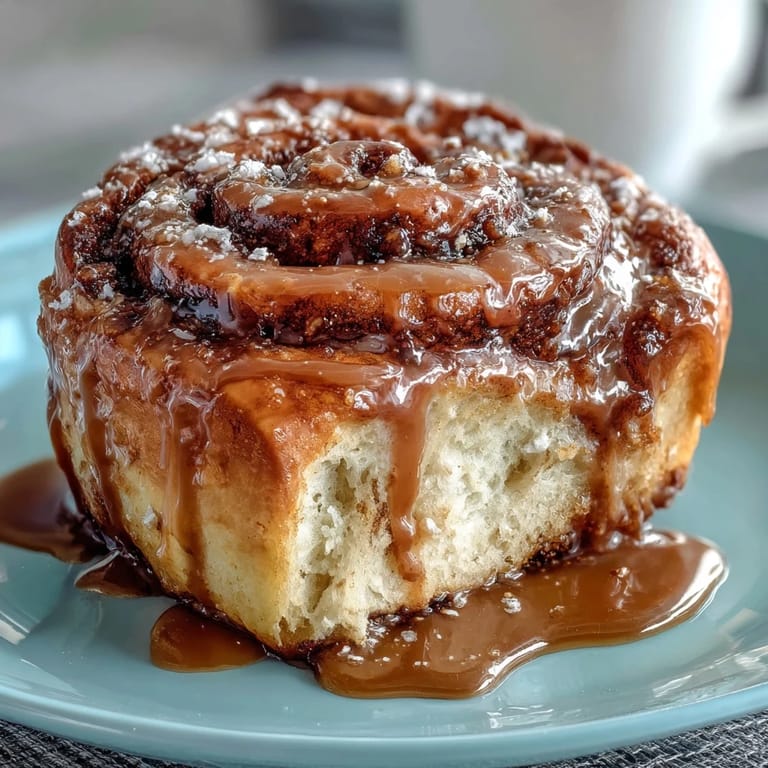
 There's something almost magical about waking up to the smell of orange rolls baking—the kind of aroma that pulls you out of bed before your alarm does. My neighbor Sarah shared her overnight orange roll recipe with me years ago, and the first time I made them, I was shocked at how the kitchen transformed overnight, the dough rising quietly in the fridge while I slept. The next morning, I only needed forty-five minutes of sitting time before they were ready for the oven, which felt like cheating in the best way possible. Those rolls became my secret weapon for impressing house guests without the stress of early morning baking.
I'll never forget the Christmas morning when my sister arrived early and caught these rolls coming out of the oven—she literally stood in my kitchen sniffing the air like she was in a trance. The golden-brown rolls glossy with citrus glaze became our new Christmas tradition that year, and now she always asks if I'm making them. Something about the smell of orange and butter mingling together just feels like celebration, even on ordinary Tuesday mornings.
Ingredients
- All-purpose flour (3 1/2 cups): This is your structure—don't skip measuring by weight if you can, as it makes a real difference in how the dough feels.
- Instant dry yeast (2 1/4 tsp): Make sure it's fresh and store it in the fridge after opening, or your rolls won't rise with the same enthusiasm.
- Whole milk (3/4 cup, lukewarm): Lukewarm means around 110°F—too hot kills the yeast, too cold and nothing happens, so use a thermometer if you're unsure.
- Unsalted butter (1/4 cup melted for dough, 1/4 cup softened for filling): The difference between melted and softened matters here—melted goes in the dough, softened spreads on the filling.
- Large eggs (2, room temperature): Room temperature eggs mix more smoothly into the dough and create a better texture overall.
- Fresh orange zest (zest of 3 oranges total): This is where the magic lives—use a microplane zester and avoid the white pith, which tastes bitter.
- Granulated sugar (1/2 cup for filling): Combined with the butter and orange zest, this creates the sweet, fragrant filling that makes these rolls special.
- Powdered sugar (1 cup for glaze): The glaze should be pourable but still coat the rolls—adjust the orange juice until you get the right consistency.
Tired of Takeout? 🥡
Get 10 meals you can make faster than delivery arrives. Seriously.
One email. No spam. Unsubscribe anytime.
Instructions
- Mix your dry team:
- Whisk together the flour, sugar, yeast, and salt in a large bowl—this helps distribute the yeast evenly so every bite rises properly. Take your time here; it only takes a minute but makes a real difference.
- Combine the wet ingredients:
- In another bowl, mix the lukewarm milk, melted butter, room-temperature eggs, and orange zest until everything is well combined. The orange zest should be distributed throughout so no clump of citrus surprises you later.
- Bring it all together:
- Pour the wet ingredients into the dry mixture and stir until a shaggy, sticky dough forms—don't worry if it looks messy at this point. You're not looking for perfection yet, just enough mixing that everything is incorporated.
- Knead until smooth:
- Knead by hand for 7 to 8 minutes or use a stand mixer with the dough hook for about 5 minutes until the dough becomes smooth, elastic, and slightly tacky. You'll feel the transformation under your hands—it goes from rough to silky.
- First rise:
- Place the dough in a greased bowl, cover with plastic wrap, and let it rise in a warm spot for 1 to 2 hours until it doubles in size. A warm oven with the light on works perfectly if your kitchen is chilly.
- Roll and fill:
- Punch down the dough and roll it out on a lightly floured surface to a 10 by 16-inch rectangle—it doesn't need to be perfect, just roughly that size. Spread softened butter over the dough, then sprinkle the orange zest and sugar filling evenly across.
- Roll and cut:
- Starting from the longer edge, roll the dough up tightly—imagine you're rolling a yoga mat, not a jellyroll. Cut into 12 even pieces using a sharp knife, or use unflavored dental floss for cleaner cuts that don't squash the dough.
- Overnight cold rise:
- Arrange the rolls in a greased 9 by 13-inch baking dish, cover tightly with plastic wrap, and refrigerate overnight or up to 16 hours. The cold fermentation develops flavor and makes the next morning so much easier.
- Wake them up gently:
- Remove the rolls from the fridge and let them sit at room temperature for 45 to 60 minutes until they're puffy and jiggly. If your kitchen is warm, they might only need 30 minutes, so start checking early.
- Bake until golden:
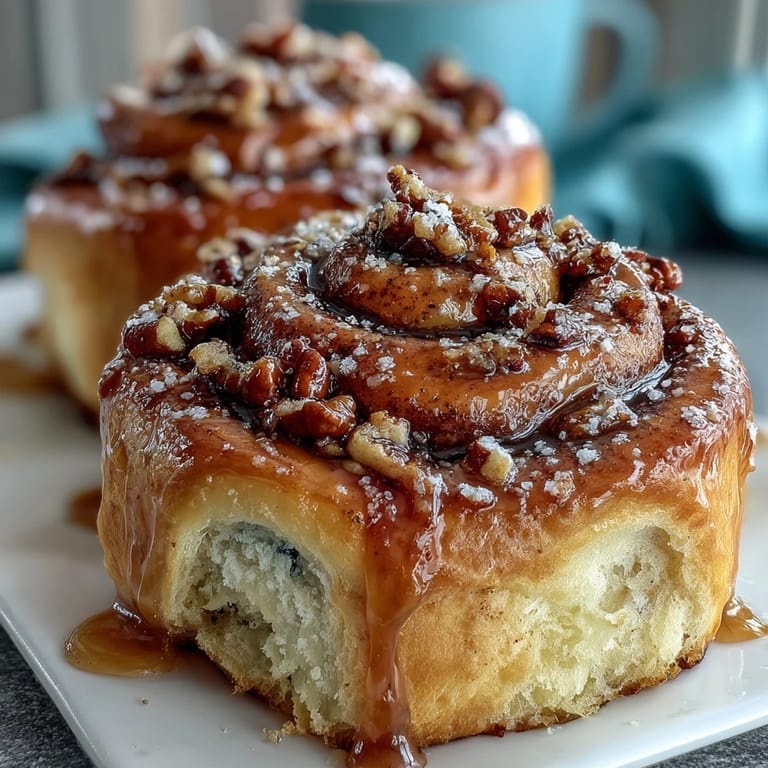
- Preheat your oven to 350°F, then bake the rolls for 22 to 25 minutes until they're deep golden brown on top. They're done when you can feel the steam when you open the oven door.
- Make the glaze:
- While the rolls bake, whisk together powdered sugar, fresh orange juice, and a bit of orange zest until you have a pourable but thick glaze. If it's too thick, add juice a teaspoon at a time until it drips slowly off a spoon.
- Finish and serve:
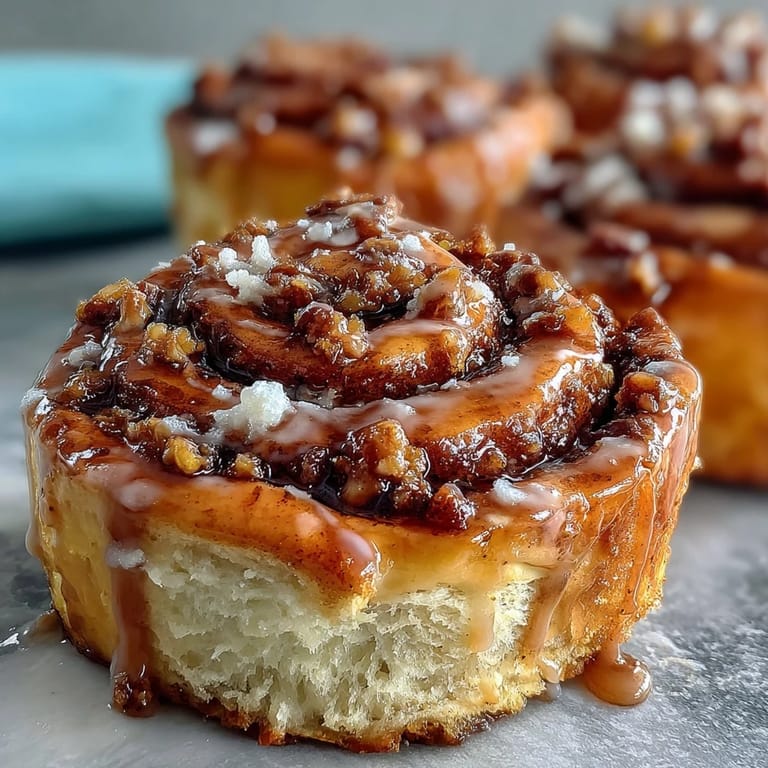
- Drizzle the glaze over the warm rolls right after they come out of the oven so it soaks in and sets beautifully. The contrast between the warm roll and the cool glaze is absolutely perfect.
 Pin it
 One Saturday, my friend texted at 11 PM asking if she could bring her kids for brunch the next morning, and I almost panicked until I remembered I had these rolls in the fridge from the night before. Something about setting those rolls out to rise while we drank our first coffee, then watching my friends' faces light up when they bit into one—that's when I realized this recipe was about so much more than just feeding people. It became the thing I made when I wanted to show someone they were worth the effort.
The Magic of an Overnight Rise
The overnight refrigeration isn't just a time-saver; it's where the real flavor development happens. Cold fermentation slows down the yeast, which means it produces more complex flavors and creates better acidity in the dough. I learned this the hard way when I tried rushing a batch on a regular timeline and they tasted decent but flat compared to the overnight version. Now I understand that patience literally makes these rolls taste better, which is somehow both frustrating and wonderful.
Orange Zest: Why Fresh Matters
The difference between fresh-zested orange and the bottled stuff is the difference between a bright, punchy flavor and something that tastes vaguely citrus-adjacent. I used to think I was fancy buying the jar until I actually compared them side by side and felt ridiculous for spending extra. A microplane zester takes about thirty seconds per orange, and that tiny bit of effort transforms the entire recipe from nice to genuinely memorable.
Timing and Temperature: Your Best Tools
The most common mistake I see is people either not letting the rolls rise enough the next morning or baking them before they're truly ready. If they look puffy and jiggle slightly when you shake the pan, they're ready—if they still feel firm, they need more time. The glaze should go on while the rolls are still warm but not steaming hot, so it sets beautifully without running off.
- Use a kitchen thermometer for the milk temperature so you're not guessing whether it's too hot or too cold.
- If your kitchen is cold, turn on the oven light and let the rolls proof inside for a guaranteed warm spot.
- The rolls can stay in the fridge up to 16 hours, so you're not locked into a specific morning—they're flexible like that.
 Pin it
 These rolls remind me that some of the best things in life really do take time, but they make the waiting worth it. There's something deeply satisfying about pulling warm rolls out of the oven, drizzling them with glaze, and knowing you did that yesterday when you had the energy to be thoughtful.
Recipe Questions & Answers
- → How long should the dough rise overnight?
The dough should refrigerate overnight, then rest at room temperature for 45–60 minutes before baking to become puffy and airy.
- → Can I substitute any ingredient for added flavor?
Adding a pinch of cardamom to the filling enhances the flavor with a subtle spice note.
- → What is the best way to cut the rolls evenly?
Use a sharp knife or dental floss to slice the rolled dough into 12 even pieces.
- → How should the orange glaze be prepared?
Whisk powdered sugar with fresh orange juice and zest until smooth, then drizzle over warm rolls.
- → Can milk be replaced in the dough?
For extra richness, substitute half the milk with fresh orange juice to enhance the citrus flavor.