 Pin it
 The smell hit me before I even opened the door—sharp cheese and toasted pepper, drifting from my neighbor's kitchen one summer evening in Rome. She waved me in, laughing at my curiosity, and handed me a fork still tangled with creamy spaghetti. That bite changed everything I thought I knew about simple food. No cream, no butter, just starchy pasta water doing all the work alongside good cheese and pepper.
I made this for my sister the night she got promoted, thinking it would be a quick celebratory meal before we went out. We never left the apartment. She kept twirling more pasta onto her fork, asking how something this plain could taste this good. We finished the whole pan sitting on my kitchen counter, talking until midnight. Now she texts me every few months asking if it's cacio e pepe night.
Ingredients
- Spaghetti (400 g): The traditional choice for this dish, its long strands hold the creamy sauce beautifully, and the starch it releases is essential for emulsification.
- Pecorino Romano cheese (120 g, finely grated): The star of the show, this sheep's milk cheese brings a sharp, salty punch that defines the dish, and grating it finely helps it melt smoothly without clumping.
- Freshly cracked black pepper (2 tsp, plus extra): Toasting it releases aromatic oils that turn simple pepper into something almost floral and deeply warm.
- Salt: For the pasta water only, since the Pecorino brings plenty of its own saltiness to the sauce.
Tired of Takeout? 🥡
Get 10 meals you can make faster than delivery arrives. Seriously.
One email. No spam. Unsubscribe anytime.
Instructions
- Boil the pasta:
- Bring a large pot of well-salted water to a rolling boil, add the spaghetti, and cook until just al dente, making sure to scoop out a full cup of that cloudy, starchy pasta water before draining. That water is your secret weapon.
- Toast the pepper:
- While the pasta cooks, add the black pepper to a large skillet over low heat and let it toast for a minute or two until it smells almost sweet and pungent. This step wakes up the pepper in a way that skipping it never will.
- Build the base:
- Pour about half a cup of the reserved hot pasta water into the skillet with the toasted pepper and let it simmer gently. The water should smell peppery and look slightly cloudy.
- Toss the pasta:
- Add the drained spaghetti directly into the skillet and toss it around so every strand gets coated in that peppery water. Work quickly and keep the heat low.
- Create the sauce:
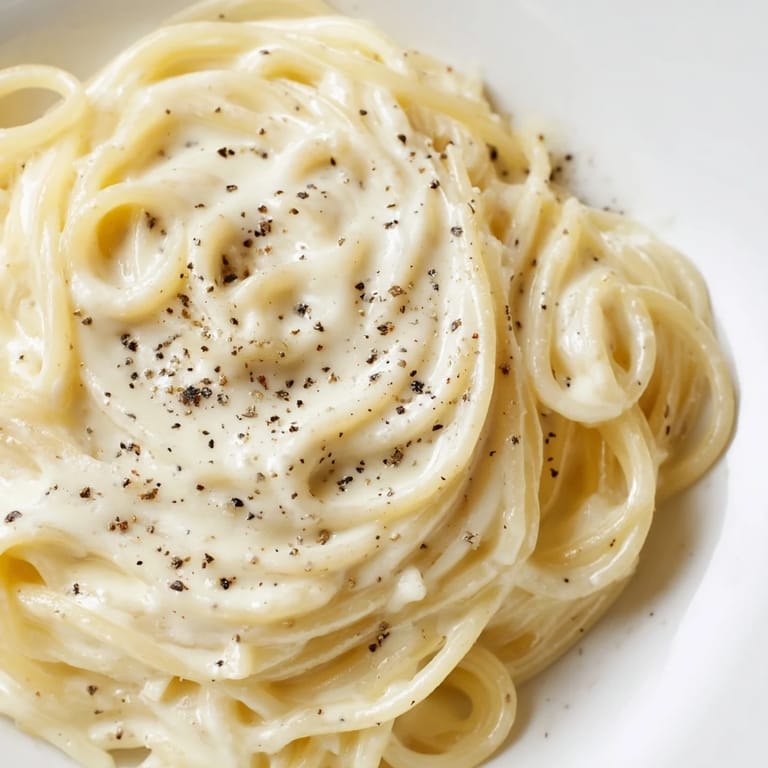
- Remove the pan from the heat and start sprinkling in the grated Pecorino Romano while tossing and stirring constantly, adding splashes of reserved pasta water as you go until the cheese melts into a silky, clinging sauce. The motion and the starch are what make it creamy, not heat.
- Serve:
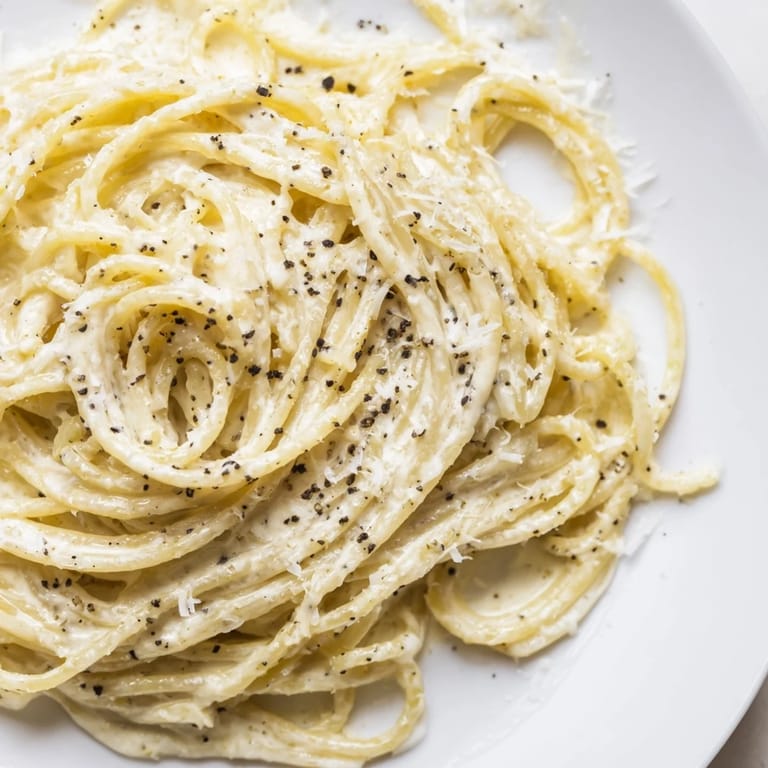
- Plate immediately, finishing each serving with extra grated Pecorino and a generous crack of black pepper. This dish waits for no one.
 Pin it
 One winter night, I made this after a particularly rough day at work, standing at the stove in my socks and an old sweater. The rhythm of stirring, the way the sauce came together despite my distraction, the first bite that made me close my eyes—it reminded me that some comfort doesn't need to be complicated. Just good ingredients, a little attention, and the willingness to let something simple be enough.
Getting the Texture Right
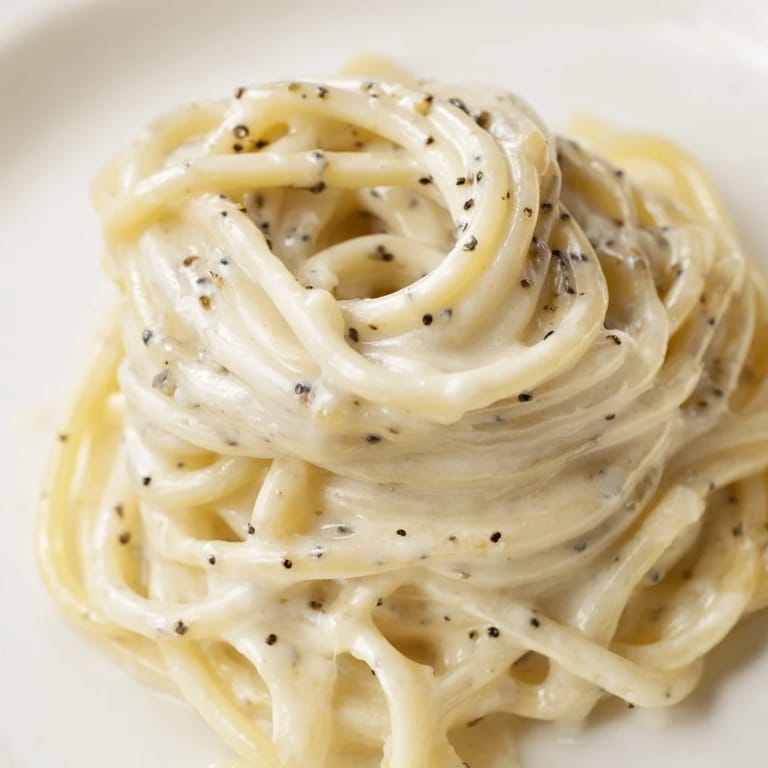
The sauce should cling to each strand of spaghetti like a creamy veil, not pool at the bottom of the bowl. If it looks too thick, add pasta water a tablespoon at a time while tossing. If it's too thin, keep tossing off the heat and let the residual warmth thicken it slightly. The key is constant motion—this isn't a dish you can walk away from once the cheese goes in.
Choosing Your Cheese
Pecorino Romano is traditional and brings that characteristic sharp, salty bite that makes cacio e pepe unforgettable. If you can't find it or want something milder, Parmigiano Reggiano works, though the flavor will be nuttier and less assertive. I've tried mixing the two, and honestly, it's a lovely middle ground when you're cooking for someone who finds Pecorino too intense. Just make sure whatever you use is freshly grated.
Serving and Pairing
This dish is best eaten immediately, straight from the pan if you're feeling casual. I like to serve it in warm bowls with a crisp white wine like Vermentino or Pinot Grigio, something that cuts through the richness without competing with the pepper. A simple green salad with lemon vinaigrette on the side is all you need.
- Always warm your serving bowls so the pasta doesn't cool too quickly.
- Leftovers don't reheat well, so plan portions carefully or embrace cold pasta for breakfast.
- If you want to make it a little heartier, toss in some sautéed mushrooms or crispy pancetta before adding the cheese.
 Pin it
 This is the kind of recipe that grows with you, getting better each time you make it as you learn the feel of the sauce and the right moment to pull the pan from the heat. It's become my test for whether someone truly loves to cook—not because it's hard, but because it asks you to pay attention.
Recipe Questions & Answers
- → Why is my sauce breaking or becoming clumpy?
Clumping occurs when cheese is added too quickly or the temperature is too high. Add the Pecorino Romano gradually while tossing vigorously, and maintain low to medium heat. Work quickly but with control, incorporating cheese in small handfuls.
- → Can I make this ahead of time?
Cacio e pepe is best served immediately after cooking, as the sauce continues to thicken as it cools. However, you can prepare your ingredients in advance and cook the pasta fresh when ready to eat.
- → What type of black pepper works best?
Freshly cracked black pepper is essential for this dish. Use a pepper mill or mortar and pestle to crack peppercorns just before cooking. Pre-ground pepper loses its aromatic oils and won't deliver the same vibrant flavor.
- → Is Parmigiano Reggiano a good substitute?
Yes, Parmigiano Reggiano can replace Pecorino Romano for a milder, less salty flavor. Pecorino Romano is more traditional and assertive, but both are aged hard cheeses that work well in this preparation.
- → How much pasta water should I reserve?
Reserve at least one cup of pasta cooking water before draining. You'll use about half initially, with the remainder on hand to adjust the sauce consistency. This starchy water is crucial for creating the creamy emulsion.
- → Can I add cream or butter to make it creamier?
Traditional cacio e pepe relies on the emulsion of pasta water, cheese, and pepper—no cream or butter needed. Adding dairy changes the authentic character of the dish. The creamy texture comes naturally from the starch and cheese interaction.